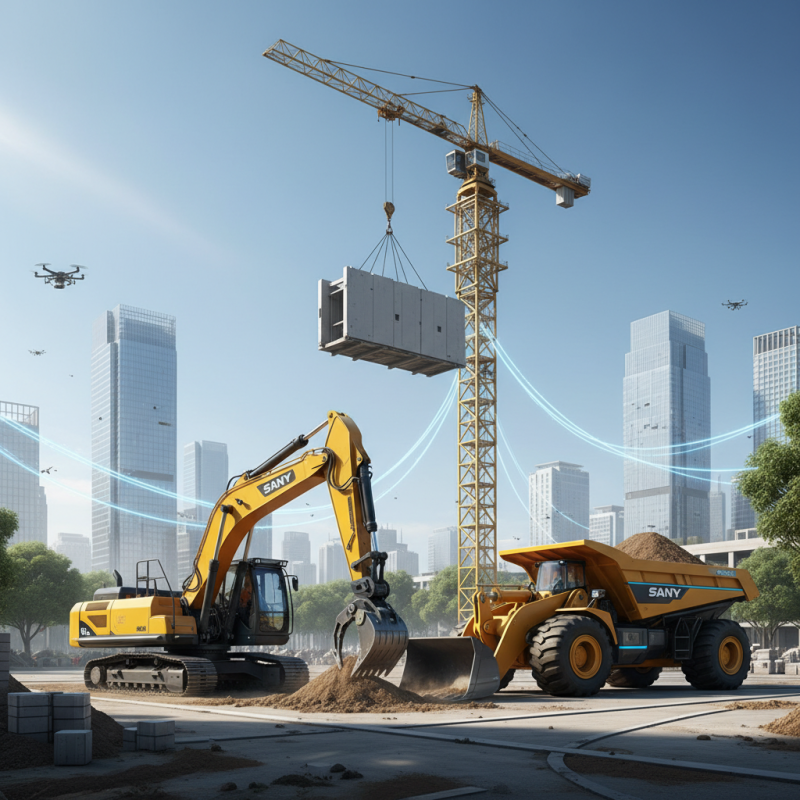
The construction world is changing super quickly these days. One company that's really at the forefront of this shift is Sany Heavy Equipment. Lately, reports have been showing that Sany is still leading the charge when it comes to tech and innovation, and that's definitely making a difference in how projects get done—more productivity and efficiency, for sure. If you look at the latest market trends, Sany holds a pretty hefty chunk of the heavy machinery market, and experts say they’re expected to grow around 7% over the next few years. Not too shabby!
What’s cool about Sany Heavy Equipment is how they mix cutting-edge engineering with practical stuff you actually need on the job site. That’s why so many construction folks swear by their gear. Their machines aren’t just reliable—they’re also doing their bit for the environment. A detailed industry survey even shows that over 60% of users are happy with Sany’s machinery when it comes to performance and durability. But, of course, it’s not all perfect. Some operators have mentioned issues with customer support, which is something they really need to step up on if they want to keep growing.
Looking ahead to 2026, it’s gonna be really interesting to see which Sany models shine the most. The machines they put out need to handle the changing demands of all kinds of construction projects. Striking the right balance between pushing for new tech and keeping users satisfied—that’s going to be the key to how much impact Sany has going forward.
The construction industry is evolving rapidly. In 2026, heavy equipment continues to play a vital role. New models come equipped with advanced technology. They focus on efficiency and sustainability. Innovations like electric engines are becoming more common. Operators appreciate smoother controls and enhanced safety features. These advancements help reduce operational costs.
However, not every model meets expectations. Some equipment may have higher maintenance needs. This can lead to downtime and increased expenses. Operators often struggle to find the right balance between power and efficiency. They must consider the specific tasks at hand. Relying solely on data can be misleading. Real-world performance often tells a different story.
Adapting to new technology requires training. Operators must be adept at using modern tools. They face a learning curve with every new model. Regular assessments of equipment performance are crucial. Reflecting on both successes and failures enhances productivity in the long run.
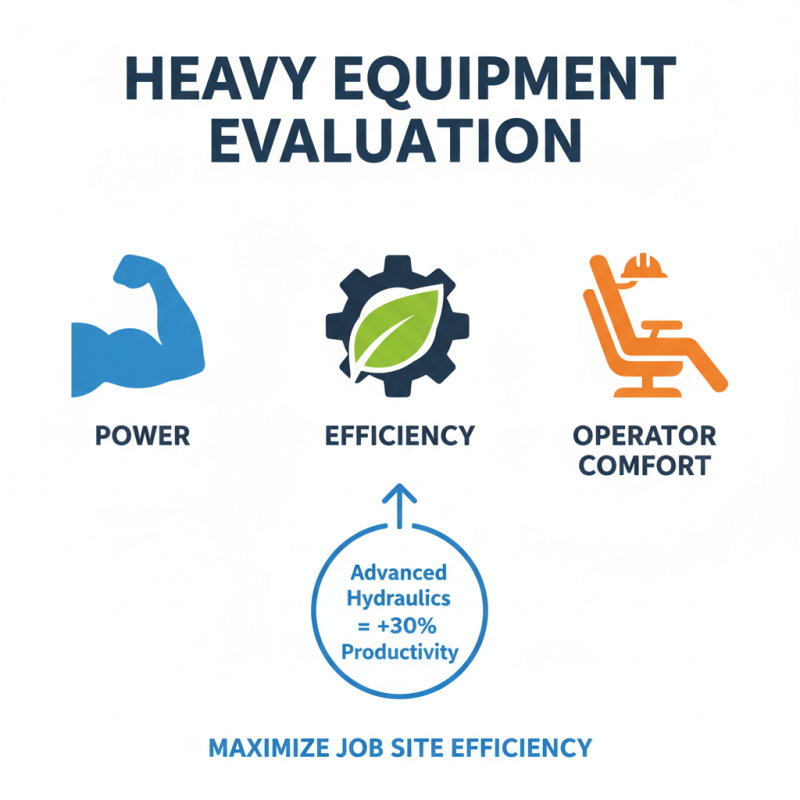
When evaluating heavy equipment for construction, specific features set certain models apart. The key aspects include power, efficiency, and operator comfort. A recent industry report noted that machines with advanced hydraulic systems can improve productivity by up to 30%. This is essential for contractors looking to maximize efficiency on job sites.
Comfort is equally important. Operability and user-friendly controls can significantly impact worker efficiency. Features such as adjustable seating and intuitive dashboards enhance the user's experience. Studies indicate that improved ergonomics can reduce operator fatigue by 25%, leading to safer working conditions and better performance.
Maintenance and serviceability also matter. Easy access to components can save time and costs. The average downtime due to maintenance can reach 20% for some models. Therefore, machines designed with serviceability in mind can provide a notable advantage. Investing in models that prioritize these aspects can not only boost productivity but also reflect a commitment to worker well-being and operational efficiency.
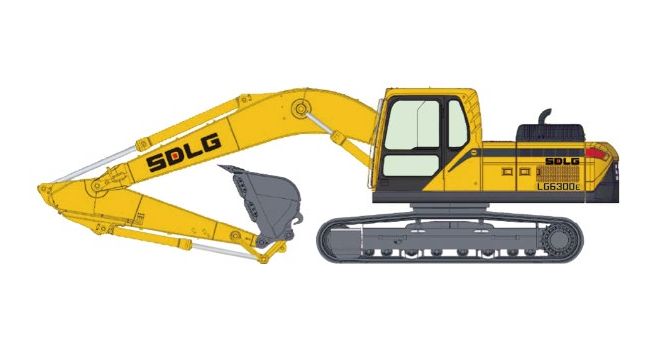
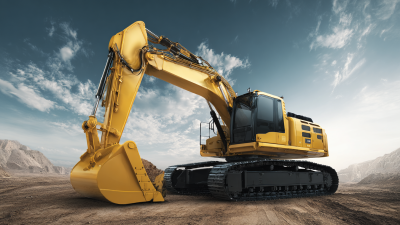
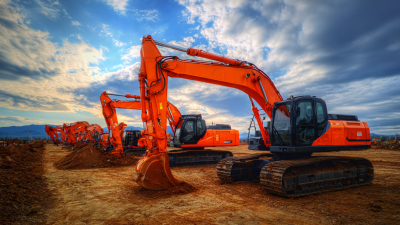
When considering top excavators for construction projects, certain models stand out. The efficiency and reliability of an excavator can significantly impact project timelines and costs. Industry reports indicate that over 70% of contractors prefer machines that maximize productivity while minimizing operating costs.
One popular category includes mini excavators, often used in confined spaces. These machines offer agility and precision. Yet, factors like their lifting capacity and reach must be evaluated. For example, some models may struggle with heavy loads, causing delays or inefficiencies on the job site. A careful selection based on project requirements is crucial.
Another key aspect is the technology integrated into modern excavators. Advanced features like real-time telematics can enhance job performance. However, data reliability can vary. Proper training is required to make the best use of these technologies. Thus, while technology improves operations, it can also introduce complexities if not handled correctly.
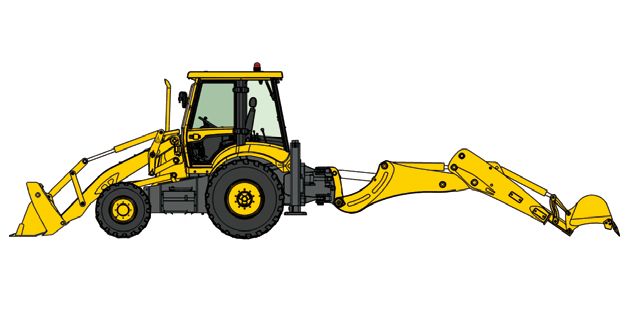
In 2026, loaders represent a crucial innovation in construction equipment. These machines are designed to enhance productivity on job sites. With advanced hydraulics, operators can lift heavier loads more efficiently. This makes them invaluable for complex projects. Some models claim improvements in fuel efficiency. However, real-world data sometimes tells a different story.
The performance of loaders is impressive but can vary. Certain models struggle in tough terrains. Operators often face challenges with maneuverability. Builders must be mindful of this when selecting a loader. It's not just about the horsepower; it’s about the balance of power and control. Ergonomics also play a key role. Operator comfort affects overall productivity.
Technology integration is another exciting aspect this year. Loaders are now equipped with smart features. These often include GPS tracking and telematics for better management. Yet, there are concerns about reliability and maintenance costs. Not all innovations are perfect. Some systems can be complex and hard to troubleshoot. Users must weigh the benefits against potential downtime.
This chart illustrates the performance metrics of various heavy equipment models based on horsepower, lifting capacity, and fuel efficiency for the year 2026.
Bulldozers play a crucial role in modern construction. They tackle heavy-duty tasks with ease. These machines push soil, clear debris, and grade land. Their powerful blades make them essential on job sites. Operators rely on their precision for effective results. Many consider bulldozers the backbone of any major construction project.
Yet, using bulldozers is not without challenges. Operators must be highly skilled to maximize efficiency. Misjudgments can lead to costly errors. A slight miscalculation in grading could affect the entire project. Regular maintenance is critical. Neglecting even small issues may lead to significant downtime. It's essential to balance power with careful operation.
The versatility of bulldozers is notable. They adapt to various terrains and tasks. They can function well in both urban and rural settings. However, each project has unique demands. Understanding these demands is key to success. Thoughtful planning can prevent many pitfalls. It's a reminder that even the most powerful machines need human insight.
| Model | Engine Power (HP) | Operating Weight (lbs) | Blade Width (inches) | Fuel Capacity (gallons) | Price Range (USD) |
|---|---|---|---|---|---|
| Model A | 200 | 20,000 | 84 | 50 | $120,000 - $140,000 |
| Model B | 220 | 22,500 | 96 | 60 | $140,000 - $160,000 |
| Model C | 250 | 25,000 | 102 | 75 | $160,000 - $180,000 |
| Model D | 270 | 28,000 | 108 | 80 | $180,000 - $200,000 |
| Model E | 300 | 30,000 | 112 | 90 | $200,000 - $220,000 |
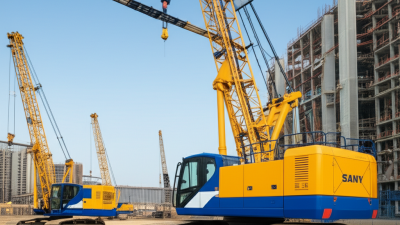
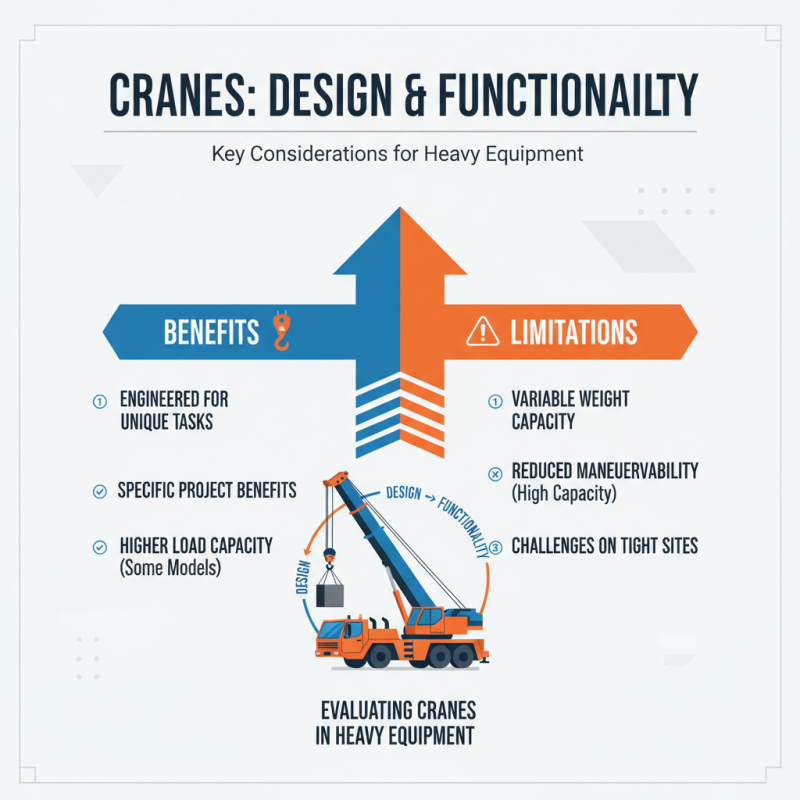
When evaluating cranes in the heavy equipment market, design and functionality stand out. These machines are engineered for unique tasks. Each model aims to offer specific benefits for construction projects. However, certain limitations can impact operations. For example, the weight capacity varies significantly between models. A crane with a higher load limit might lose its maneuverability. This can lead to challenges on tighter job sites.
Another aspect to consider is the technology used in these cranes. Advanced systems can enhance precision and safety. Yet, a more complex system may require extensive training. Operators might face a learning curve that affects productivity initially. Additionally, maintenance needs can vary. Some models are robust but require more frequent checks. Others promise lower upkeep yet may compromise performance over time.
Market comparisons reveal varied pricing structures, too. Investing in a costlier model could offer long-term benefits. Conversely, a budget option might suffice for smaller projects. Each choice has trade-offs that warrant careful evaluation. It is crucial to align selection with specific project requirements, balancing cost, performance, and ease of use.
The future of heavy equipment technology is transforming rapidly. As construction demands grow, efficiency and sustainability become essential. Industry reports indicate that the global construction equipment market is projected to reach $600 billion by 2026, driven by technological advancements. This growth encourages manufacturers to innovate constantly.
Automation is a key focus. Innovations like autonomous machinery improve precision and reduce labor costs. However, reliance on technology raises concerns about job displacement. A survey from a prominent industry source suggested that around 30% of workers fear losing their jobs due to automation. Companies must strike a balance between adopting new tech and maintaining a skilled workforce.
Sustainability also plays a crucial role in shaping future trends. Reports reveal that about 50% of construction firms prioritize eco-friendly equipment in their purchases. Advanced energy solutions, like hybrid engines, can significantly lower carbon footprints. Still, the transition to greener technology often faces hurdles, such as high initial costs and maintenance challenges. Ensuring that these technologies are accessible and practical remains a critical issue.
In the realm of engine performance and durability, the quality of main bearing shells plays a pivotal role. A high-performance application demands components that can withstand the extreme conditions of operation. Heavy-duty main bearing shells serve as crucial supports for the crankshaft, allowing for smooth rotation and efficient power transfer while minimizing friction between the crankshaft and the cylinder block. This friction reduction is particularly vital in high-speed operations, where mechanical stress is at its peak.
One exemplary product in this category is a robust main bearing shell designed to offer exceptional precision and durability. Weighing 2.16KG, this component is crafted from advanced, wear-resistant alloy materials, ensuring it can endure heavy loads and high temperatures without compromising performance. Its smooth bearing surface enhances operational stability, enabling consistent crankshaft performance across various engine models. Eliminating any potential for excessive wear not only extends the service life of the engine but also contributes to overall rotational efficiency, a key factor in maintaining optimal engine function. Such features are essential for anyone seeking to maximize their engine's performance and longevity.
: The product offers convenience and efficiency. It saves time in daily tasks. Users find it easy to handle.
Results can vary. Some users see improvements in a few weeks. Others may need longer.
Some users report minor side effects. They include fatigue or mild irritation. Everyone’s experience can be different.
Follow the instructions carefully. Consistency is key. Regular use leads to better outcomes.
Generally, most people can use it. However, consult a professional if unsure. Individual needs vary widely.
Yes, many products offer a guarantee. Check the specific terms. Reading the details is important.
Contact customer support for assistance. They usually provide options. Feedback is valuable for improvements.
Performance may differ from similar products. Some features might be better or worse. Personal preference matters greatly.
Yes, but caution is advised. Mixing products can lead to unexpected results. Test slowly to avoid issues.
In 2026, Sany Heavy Equipment continues to make significant strides within the construction industry, showcasing innovative designs and advanced technology across various models. The overview of Sany Heavy Equipment emphasizes the commitment to delivering reliable and efficient machinery that meets the evolving needs of modern construction projects.
Key features of Sany's heavy machinery models include enhanced performance capabilities, state-of-the-art safety features, and fuel efficiency. Notably, the top Sany excavators stand out for their versatility, while the loaders demonstrate remarkable innovations that improve productivity. Sany bulldozers play a crucial role in site preparation, and a comparative analysis of Sany cranes reveals their competitive advantages in the market. As future trends emerge, Sany Heavy Equipment is expected to embrace cutting-edge technologies, further solidifying its position in the construction sector.