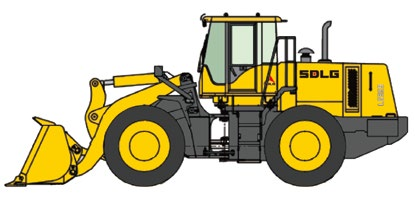
 Wheel Loader
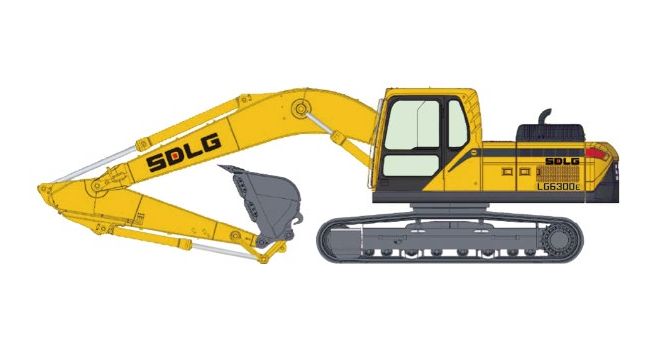 Excavator
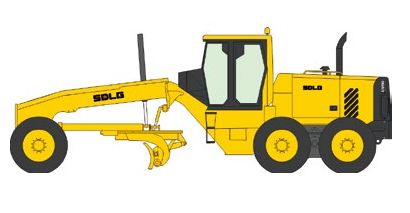 Motor Grader
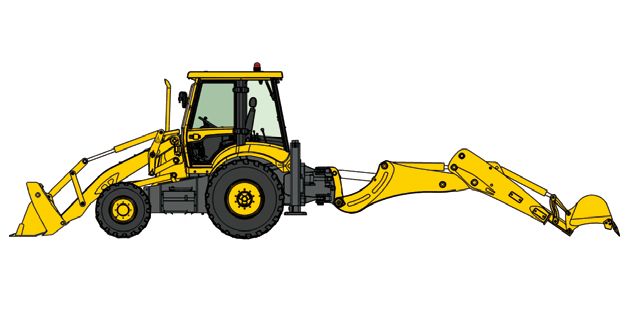 Backhoe Loader
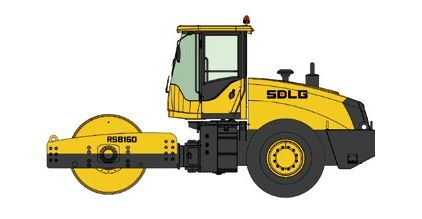 Road Roller
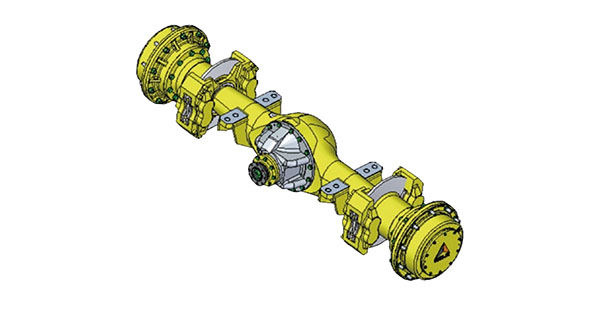 Spare Parts
Leave Your Message
In the challenging, competing construction landscape, adequate sourcing of heavy equipment is a key success factor. The growing demand for good machines means companies now need to draw up guidelines and best practices for efficiently working while assuring themselves of the reliability of their suppliers. Located in Linyi city, Shandong province, Linyi Weiman Import and Export Co., LTD. is one prominent supplier of heavy construction equipment. The range of products offered by Weiman has Wheel Loaders, Luxury Mini Loaders, Backhoe Loaders, Skid Steer Loaders, Excavators, and Motor Graders, and the company is devoted to providing high-quality solutions across all applications for construction projects worldwide.
Also, in establishing criteria for potential suppliers' assessment, global sourcing must maintain these companies' objectivity and involve numerous parameters: costs, dependability, quality, and aftermarket support. The guidelines and best practices put forward in this blog will help organizations improve their sourcing strategy for heavy equipment and guarantee that their partners in manufacturing and supply are as committed to quality and excellence as Linyi Weiman Import and Export Co., LTD. By adopting these guidelines and best practices, the companies might also be able to lower their level of risks and maximize efficiency within the construction process.

There are frequent changes in the global heavy equipment market due to technology improvements, economic variations, and industrial trends. To affirm these recent indicators of strong growth, new technologies such as brushless electric chains are surfacing. The estimated market size of this segment should see tremendous growth and be valued at around $970 million by 2024, which might possibly double in 2033. The trend in the increasing direction points out the need for manufacturers to innovate while being competitive in pricing and maintaining quality. Apart from technological advancements, the heavy equipment arena has seen several changes because of external economic conditions. For example, recent news accentuated the resilience of major shipping companies against various odds, including the Red Sea crisis, which affected the shipping performance in the fourth quarter of 2023. Such resilience ought to remind manufacturers to consider global sourcing strategies carefully, keeping in mind varying market conditions and potential disruptions. It would be imperative for success and sustainability in the heavy equipment manufacturing arena that a strategic approach toward the global sourcing would be designed to accommodate such emerging industrial realities.
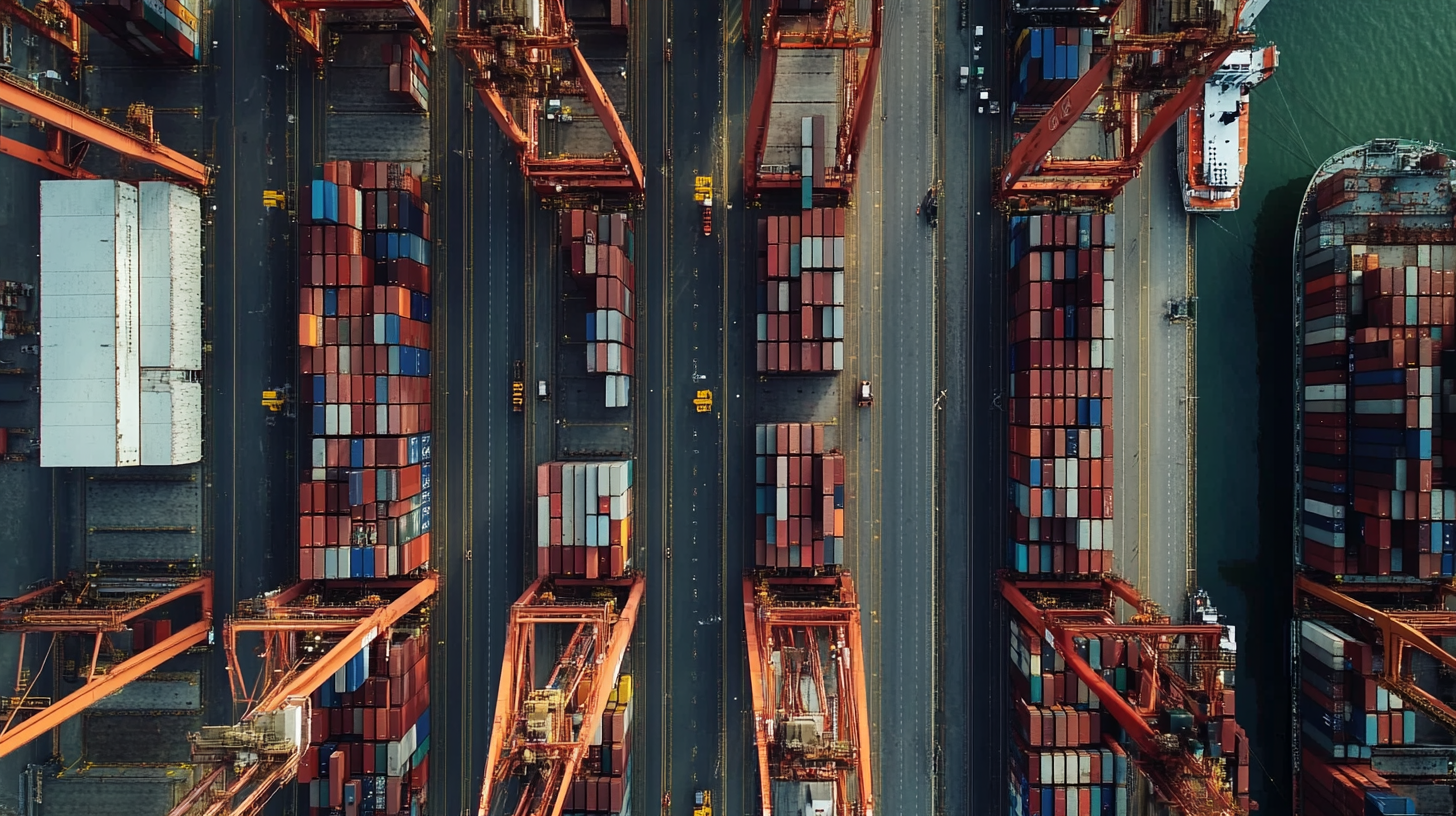
When it comes to the fabrication of heavy machinery, supplier selection is vital in ensuring the right quality, compliance, and success in the worldwide market. One major part of supplier selection is assessing the supplier's technical competences. Manufacturers need to look on whether the supplier has the know-how, cutting-edge machinery, and technology to satisfy their production. A supplier proven to have manufactured parts to precise specifications should naturally contribute positively to the overall performance and reliability of heavy equipment.
Besides, the non-negotiable factor is how much the supplier has conformed to industry standards and certifications. For example, in the heavy equipment sector, safety standards such as ISO certification compliance are required. It would make sure that the products are manufactured according to the highest safety and quality guidelines, hence making access to a few international markets easier. So, manufacturers need to look at those suppliers that can prove having a strong process documentation quality assurance.
Another critical factor is the cultural and communicative compatibility, which is essential in a successful source. A healthy relationship with the suppliers needs effective communication and a mutual understanding of expectations. It is essential to investigate whether the supplier is able to communicate effectively in your preferred language and is not delayed in responding to your inquiries. A supplier that possesses a shared, corporate culture and values would ultimately mutual benefit in terms of achieving and efficiently realizing any innovative process in the heavy machinery manufacturing process.

Quality control is crucial to manufacturing heavy equipment, particularly in a global environment. Comprehensive quality management regarding all matters of production is necessary in ensuring that things will meet the good operating and relevant standards. One best practice is conducting thorough supplier evaluations and audits. Assessment of potential suppliers based on their manufacturing capabilities, legal compliance, and past performance enables the business to select partners who share its commitment to quality.
Another strategy that has proven equally beneficial is agreeing on quality standards and specifications up front. This would involve detailed documentation describing material properties, manufacturing processes, and standards of the finished product. Regular communications with suppliers, stating these expectations, would reduce the potential for misunderstandings and errors. Finally, on-site inspection would provide a useful opportunity to ensure that equipment being manufactured in a distant location will, in fact, be up to standard before it is shipped.
In addition to all the aforementioned practices, employee training and development cannot be ignored. Skilled workers are critical for the successful execution of quality control procedures. Investment in ongoing workforce training will equip employees with current knowledge of manufacturing technologies and quality assurance techniques. This, in turn, would deepen the general quality landscape of heavy equipment produced and provide an edge for the company in a globally competitive market.
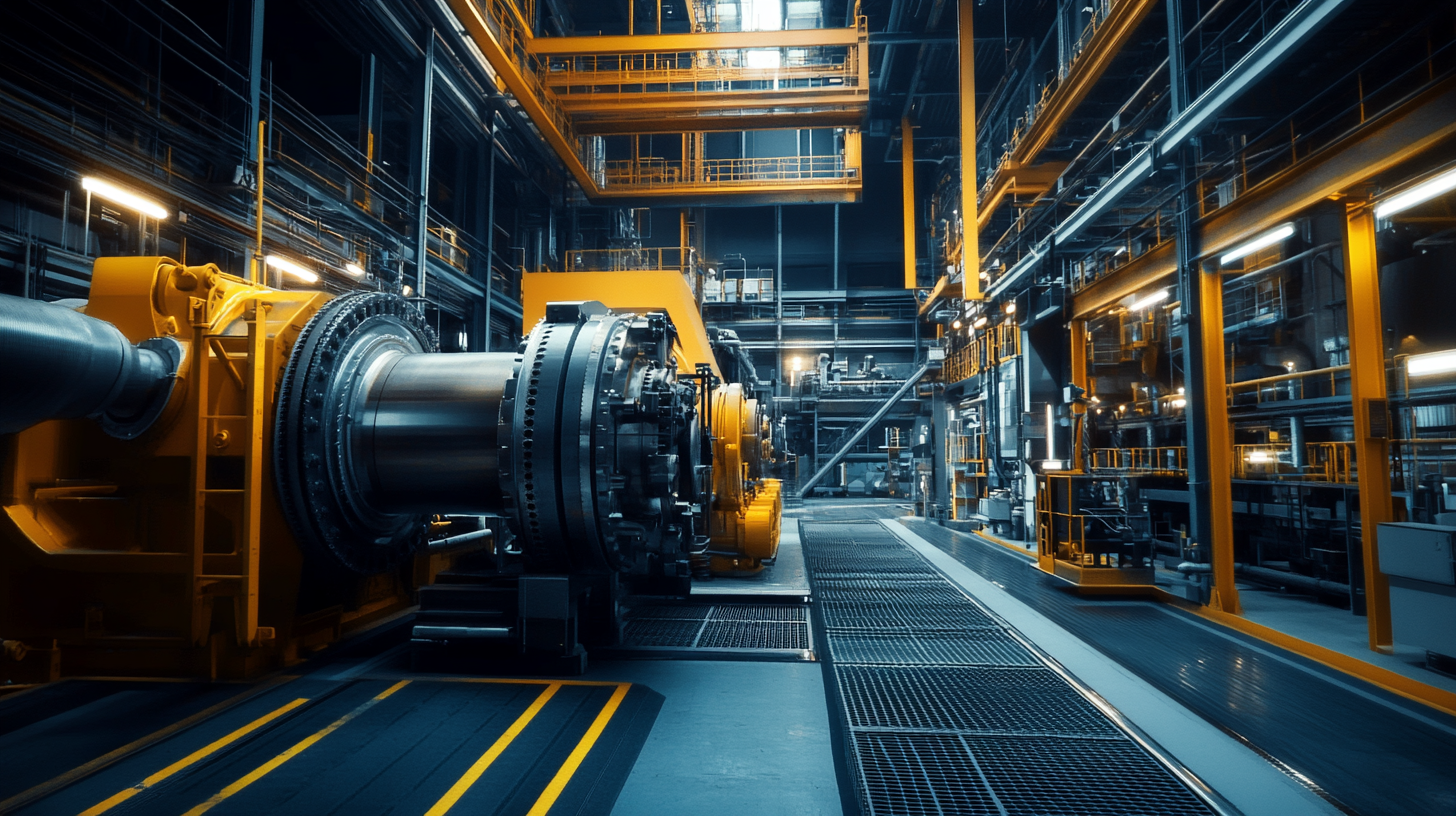
Heavy equipment manufacturers are relying more and more on advanced technologies to perk up the efficiency and transparency of global sourcing strategies. The International Trade Administration report say that more than 70% of manufacturers are currently digitalizing their sourcing processes to optimize in-stream operations and decrease costs. They can monitor supplier performance in real time, thus giving them the luxury of choosing the better option thanks to the advanced technologies such as artificial intelligence and machine learning.
Other groundbreaking changes brought by cloud-based platforms in the lives of global teams are in collaboration. Moving results from a survey carried out by McKinsey says companies using cloud solutions in supply chain management report 20% improvement in operations performance. Such platforms enable seamless communications and data sharing across geographies, critical to an industry that has seen wide-ranging regulation and diversity in logistical challenges. With increased visibility throughout the supply chain, organizations can not only mitigate risks but also respond faster to market changes.
Moreover, the Internet of Things (IoT) is becoming an essential source of monitoring equipment and inventory levels and predictive analysis about maintenance and supply requirements for manufacturers. As stated by a Gartner report, IoT connected devices in manufacturing will grow to over 5.4 billion by 2025, reflecting a shift towards data-driven decision making. This is important in integrating these technological advancements to the heavy equipment manufacturers in their global sourcing strategies for maintaining competitiveness in today's market.
For one thing in heavy equipment manufacturing, cost management is an important component in effective operations and in being competitive; more and more companies are putting this backdrop into an operational reality. In this age of digital transformation, companies grow in setting up advanced methods to operate the systems easily. According to some review, integrating the smart manufacturing principles could aim at 20% increased production efficiency called cost competitiveness. This knowledge has become very useful for companies who now are comfortable using digital strategies, such as the data analytics, across their value-chain spectrum inclusive of research, production, material purchases, and sales and service.
There are industry success stories which could tell wonders about the advantages of setting-up agile manufacturing systems by forward-looking firms. Over 132 "lighthouse factories" operating worldwide were rated highest for their cutting-edge practices. These factories are now having a brilliant track record on global observational data about real-time data-driven and leaner-fit manufacturing solutions with regards to lowering the costs and increasing resource utilization. Such factories, then, are prototypes for best practices to design avenues to realize the effective deployment as regards cost management in tandem with technology innovations.
Heavy equipment manufacturing is being reshaped by the spotlight on leveraging sustainable practices into a cost-management agenda. The question of environmental responsibility however calls for many companies to take an active role against the total waste and heaving-energy consumption projects. The advent of gas-powered generation in the market signalizes a change-over to cleaner-energy mediums required not only for frugality but also for meeting the growing call for sustainability consciousness. Compliance with these trends is automatically advancing toward sustainability and meeting other major industry objectives.
The sourcing of heavy equipment on a global scale is becoming a labyrinthine challenge regarding compliance and regulation. Companies must now move through a spider's web of complex regulations governing safety standards and environmental impact, among other areas. Non-compliance can result in massive fines, land on the radar of damaging publicity, and consequences on the supply chain. Hence, knowledge of the regulatory arena is vital for sourcing success.
Compliance becomes particularly sticky due to these differential legal requirements that migrate from one country to another. What one area governs into legality may be illegitimate in another. Heavy equipment manufacturers must keep watching the regulatory framework of the local land with respect to labor laws and practices, certification of products, and environmental laws. Strengthening compliance programs and collaborating closely with local regulators will reduce the risk and ensure that all sourcing activities are conducted within regulatory bounds.
Similarly, with more emphasis now placed on sustainability, manufacturers have to bear the burden of stricter environmental regulations. According to these regulations, sourcing materials should always be done responsibly while manufacturing should strive towards anything that protects the environment. By stimulating a sustainability thread through the compliance framework, the legal demands are met, enhancing the brand leverage for a company hungry to tap the ecological-conscious consumer. Those companies that tackle such issues in advance will better prepare themselves for a beating at the hands of global heavy equipment manufacturers.
The heavy equipment manufacturing industry is increasingly becoming sustainable, forcing companies to rethink their operations and supply chains. The industry has moved from growth into resource management, and there is a need for sustainable sourcing strategies that will not only further productivity but also meet global environmental goals. The shift is already visible as recent trends in sustainable procurement and green practices were showcased during high-visibility events like the Winter Olympics-evidence of the growing importance placed on environment friendliness in large-scale operations.
From the perspective of heavy equipment companies, sustainable practices are gradually emerging as core areas for long-term success. Certainly, with sustainability engrained in their manufacturing processes, businesses do not simply ensure greener footprints but also cater to the rising trends of consumers and regulators demanding responsible sourcing. Such advances recently noted in China spur a commitment towards green procurement and demand holistic approaches across the supply chain to stimulate innovation and efficiency.
Furthermore, international collaborations for sustainable development, as seen from talks among industry leaders of various countries, emphasize the point that this deliberation is at the global scale. The growing realization is that sustainability is fast becoming not a passing fad but a necessity for survival, given the introduction of advanced technologies to optimize resource use and minimize waste. Heavy equipment manufacturers would find that embracing these principles would assist them in negotiating their way through the complexities of the modern market while laying down paths towards a much more sustainable future.
In the heavy equipment manufacturing industry, establishing strong relationships with suppliers is essential for long-term sourcing success. Within a changing and volatile global marketplace characterized by client demands and technological changes, building trust and collaboration with suppliers is likely to boost operational efficiency and product quality. When communication and transparency are prioritized, it creates an environment conducive to both parties thriving. Not only is negotiation improved, but innovation is also catalyzed in suppliers.
To develop these links, manufacturers must open a favorably continuous space for dialog. It operates on an agenda of regular meetings, feedback sessions, and joint planning activities. The expectations align while it often stirs up issues before they arise. Manufacturers may also consider recognizing their high-performing suppliers or rewarding them for exceptional results, thus affirming commitment and dedication.
Strategic supplier relationship management encompasses investment in technologies that improve end-to-end connectivity and data sharing. The greatest sourcing improvement will take place when platforms allow for real-time updates, from orders to inventory levels and performance metrics. These tools would go a long way in building a much stronger supply chain for the suppliers, making them competitive in this pressured global market. This holistic approach provides the basis for building longer-term relationships of mutual growth and success.
Selecting the right suppliers is essential for ensuring quality, compliance, and overall success in the global market, as they contribute to the performance and reliability of heavy equipment.
Manufacturers should evaluate a supplier's technical capabilities, including their expertise, advanced machinery, and technology required to meet production needs.
Compliance with regulations such as ISO certifications and safety standards ensures that products are developed according to the highest safety and quality guidelines, facilitating smoother entry into international markets.
Cultural and communication compatibility is vital for establishing strong relationships with suppliers, as effective communication and mutual understanding of expectations drive collaboration and innovation.
Implementing advanced technologies and smart manufacturing principles can significantly enhance production efficiency and reduce costs, with some companies reporting up to a 20% improvement.
Lighthouse factories are cutting-edge manufacturing facilities that adopt agile practices and leverage real-time data to optimize resource allocation and minimize overhead, serving as examples of best practices.
Companies are investing in sustainable practices aimed at reducing waste and enhancing energy efficiency, aligning with regulatory compliance and industry goals of sustainable development while achieving long-term savings.