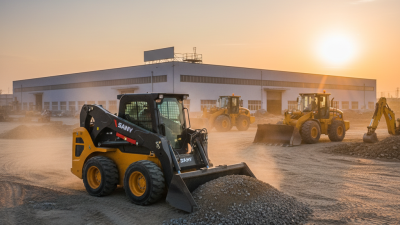
When it comes to heavy equipment hauling, safety and precision are seriously the name of the game. I remember John Smith, a well-known guy in the industry, once saying, 'The secret to successfully hauling heavy gear? It all comes down to thorough planning.' Honestly, that really hits the nail on the head—it’s so important to get all the details right, especially when you're dealing with such big machinery.
Hauling heavy loads isn’t just about hooking things up and going. It demands careful attention to every little detail. Handling oversized loads means facing a bunch of challenges—like making sure you’ve got the right permits, planning the best routes, and using the proper equipment. Skimping on planning? That’s a fast track to accidents or expensive delays. It's a quick reminder that even tiny oversights can turn into major issues down the line.
And let’s not forget, the rules and regulations keep changing all the time, which adds another layer of complexity. Companies like Heavy Haulers put a big focus on staying up-to-date with laws. Ignoring that can mean hefty fines or messing up the whole project. So, it’s pretty clear — keeping yourself in the loop and always learning is crucial in this line of work. At its core, heavy equipment hauling isn’t just about moving machines from point A to B. It’s about doing it safely, efficiently, and without messing stuff up along the way.
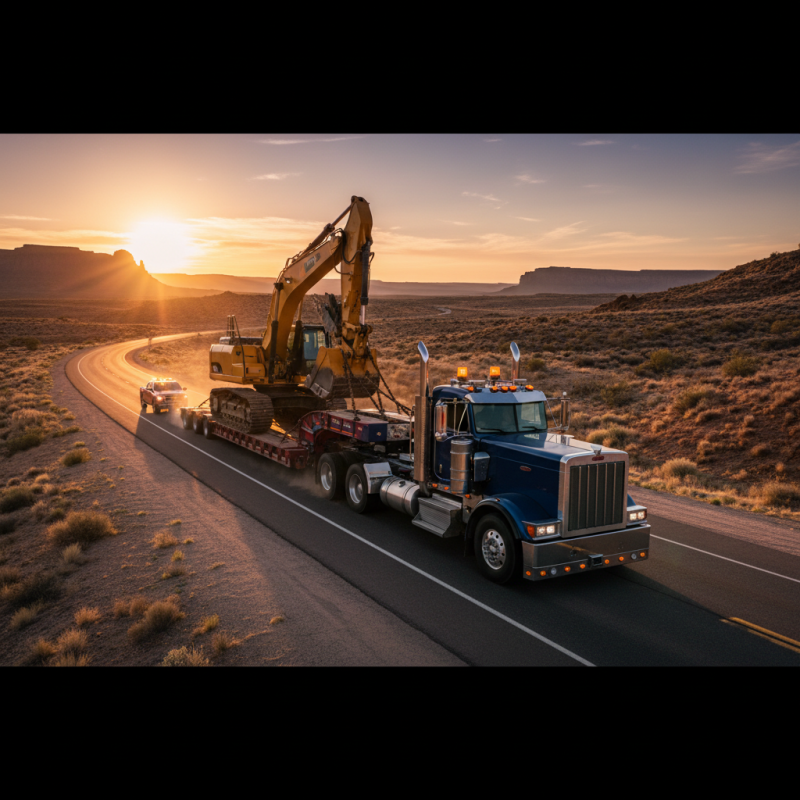
Understanding Heavy Equipment Hauling: An Overview
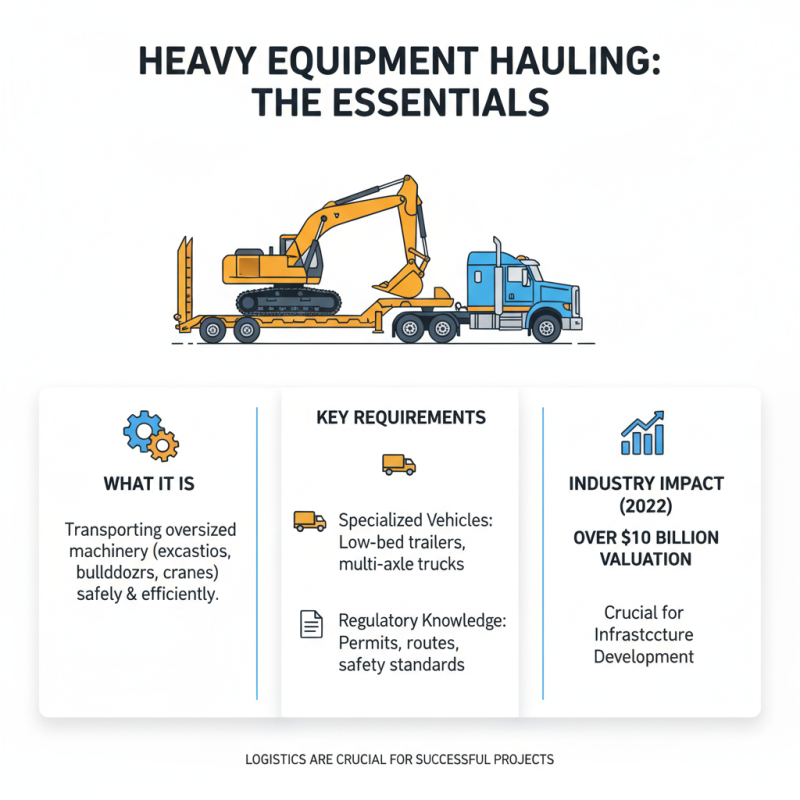
Heavy equipment hauling involves transporting oversized machinery safely and efficiently. This process requires specialized vehicles and knowledge of regulations. In 2022, the heavy equipment hauling industry was valued at over $10 billion, indicating its significant role in infrastructure development. Understanding the logistics is crucial for successful projects.
Each load is unique, and factors like weight and dimensions affect Heavy Equipment Hauling Rates. Planning routes is essential. Some paths may not accommodate large loads. Industry studies show that almost 30% of hauling incidents occur due to route miscalculations. Improper planning can lead to delays or damages.
Communication is vital for all parties involved. Surprisingly, 40% of industry professionals report communication gaps in hauling operations. This can result in missed deadlines or increased costs. Regular updates can enhance coordination. All these elements affect the reliability of the hauling process. Addressing these concerns ensures more efficient operations.
Key Factors Influencing Heavy Equipment Transportation
Transporting heavy equipment requires careful consideration of several key factors. Weight and dimension are critical. Overweight loads can lead to fines and delays. According to industry reports, 25% of oversized loads face route restrictions. Understanding the local regulations is essential to avoid these challenges.
Route planning is another crucial aspect. Assessing road conditions, bridges, and potential obstacles can save time and resources. A recent study noted that up to 30% of transport delays stem from inadequate route assessments. Whether it’s a narrow bridge or low-hanging power lines, these factors matter.
Lastly, the driver’s experience plays a vital role in safe transportation. Skilled operators can navigate challenging situations effectively. Reports indicate that improper handling contributes to 20% of equipment damage during transport. This highlights the need for ongoing training and evaluation. Heavy equipment transport is complex. Each factor must be addressed to ensure a successful operation.
Safety Regulations and Compliance in Heavy Equipment Hauling
Heavy equipment hauling requires strict adherence to safety regulations. These guidelines ensure that every load is transported safely. Awareness of weight limits is crucial. Exceeding them can cause accidents and damage. Each vehicle should have a clear weight rating. Following these specifications is not optional; it's a necessity.
Proper training for all personnel involved in heavy equipment hauling is essential. Operators must understand how to secure loads effectively. Flawed loading techniques can lead to dire consequences. Regular inspections of equipment and trailers are needed. Not all drivers perform these checks consistently, which can lead to unsafe conditions.
Compliance with local laws and federal regulations is also critical. Failing to uphold these can result in fines. Keeping documentation organized is vital but often overlooked. Additionally, communication with local authorities about planned routes can prevent misunderstandings. All these practices contribute to safer
Heavy Equipment Hauling Jobs. Being diligent pays off, as safety must always come first in this industry.
Choosing the Right Vehicle for Heavy Equipment Transport
Choosing the right vehicle for heavy equipment transport is crucial. The type of vehicle can significantly impact the efficiency and safety of the operation. A study from the Heavy Equipment Transport Association highlighted that 70% of accidents in heavy equipment hauling are caused by improper vehicle selection. This statistic underlines the importance of careful consideration in choosing a transport vehicle.
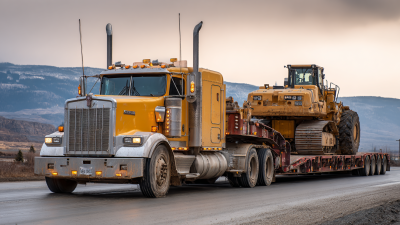
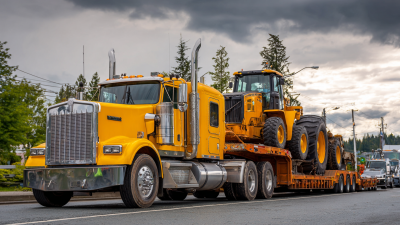
When selecting a vehicle, consider weight capacity, dimensions, and terrain compatibility. Lowboy trailers are popular for transporting heavy machinery. They provide a lower center of gravity, which enhances stability. Additionally, specialized trucks like flatbeds can be beneficial for oversized items. The Heavy Equipment Transport Savings Report indicated that correctly matched vehicles can reduce transport costs by up to 20%. Ignoring this can lead to escalated Heavy Equipment Hauling Rates Manufacturers.
It’s also essential to assess the condition of the vehicle. Regular maintenance can prevent breakdowns and accidents. An article from Equipment Rental Insights noted that 40% of operators report unexpected repairs on the road. This highlights that vehicle choice is not just about specifications but also reliability. Choosing a vehicle is a balancing act that requires careful thought and an awareness of potential pitfalls.
Load Securement Techniques for Safe Hauling
When it comes to heavy equipment hauling, load securement is crucial. Properly securing your load can prevent accidents and protect your equipment.
Start by using high-quality straps or chains. Inspect them for any wear or damage. A frayed strap can lead to serious issues on the road. Adjust the tension regularly to ensure stability.
Consider using corner protectors to avoid slippage. They help distribute the load's weight evenly across straps. An uneven load may shift during transport, increasing the risk of accidents. Additionally, always check local regulations on load securement. Each region might have different requirements, and knowing these can help in compliance.
Remember, practice makes perfect. After each haul, reflect on what worked and what didn't. Were the securing methods effective? Did you notice any movement? Frequent evaluation allows for improvement and enhanced safety in future hauls.
Safety shouldn't be compromised for speed. Taking the time to secure your load properly can save lives and equipment.
Planning Routes and Logistics for Heavy Equipment Delivery
When planning routes for heavy equipment delivery, precision is essential. An overlooked detail can lead to delays or safety hazards. Focus on understanding the dimensions of the equipment. Know the weight and height. These factors directly influence your route selections. Be mindful of low bridges or weight-restricted roads. These pitfalls can disrupt your logistics.
Tips: Always have a backup plan ready. Unexpected road closures can happen. Know alternative routes to minimize delays. Using GPS can be helpful. However, ensure the software is up to date. This avoids potential wrong turns or hazardous paths.
Communicate with local authorities if needed. They can provide insights on road conditions and regulations. This interaction may illuminate restrictions you're unaware of. Understanding these details can save time and ensure safety. Moreover, comparing High-Quality Heavy Equipment Hauling Rates might help you stay within budget while maintaining efficiency. As you refine your logistics, always review your past deliveries for improvement opportunities. Reflect on what worked and what didn’t. This practice enhances future route planning.
Common Challenges and Solutions in Heavy Equipment Hauling
Hauling heavy equipment comes with its own set of challenges. One common issue is weight management. Overloading a truck can lead to accidents. Properly calculating the weight is crucial. Use load distribution techniques to prevent shifting during transport. This can help maintain stability on the road.
Another challenge is navigating tight spaces. Large loads often require careful planning. Not all routes are suitable for heavy equipment haulers. Map out your journey in advance. Identify low bridges or narrow roads. Finding alternate routes might save you from delays.
Weather conditions can also impact hauling operations. Rain or snow can make roads slick and difficult. It's wise to check forecasts and plan accordingly. If weather turns severe, consider postponing the haul. This can prevent potential breakdowns or accidents. Assessing these challenges can lead to better outcomes in heavy equipment hauling.
Maximizing Efficiency in Compact Heavy-Duty Systems: Insights from Industry Reports on ZF 0750115182 Needle Roller Bearings
In today's competitive industrial landscape, maximizing efficiency in compact heavy-duty systems is paramount. The ZF 0750115182 needle roller bearing exemplifies this need, as it is specifically designed to endure significant radial loads while occupying minimal space. According to industry reports, bearings like this have shown up to a 20% improvement in energy efficiency compared to traditional designs, primarily due to their precision-formed needle rollers, which distribute loads evenly and reduce friction significantly.
In applications such as automotive transmissions and industrial gearboxes, where both performance and compactness are non-negotiable, the durability and reliability of heavy-duty bearings are pivotal. Studies indicate that systems utilizing advanced needle roller bearings can achieve a lower overall operational cost by extending the service life of machinery and minimizing maintenance downtime. With rigorous quality standards applied in their production, these bearings sustain high performance even under extreme conditions, making them essential for high-performance machinery.
Moreover, recent data reveals that the effectiveness of needle roller bearings in reducing system inertia leads to improved responsiveness and acceleration in machinery operations. This heightened efficiency is not only beneficial for energy consumption but also contributes to achieving better overall system performance, aligning with the industry’s trend toward more sustainable and high-efficiency solutions. Therefore, incorporating robust yet compact bearings into heavy-duty systems is a strategic move for companies aiming to enhance productivity while adapting to tighter operational spaces.
FAQS
: A variety of items are offered, from electronics to clothing. Each category has unique options to explore.
You can order online through the website. Simply choose items, add to the cart, and check out.
Yes, there is a return policy in place. Items can be returned within a specified period if they are unused.
Payments can be made via credit card or other methods. Ensure your payment information is secure during checkout.
Yes, tracking is available for orders placed. You will receive a confirmation email with tracking details.
If an item is damaged, contact customer service. Provide evidence like photos to facilitate the return process.
Shipping fees may apply based on location and order size. Check the shipping policy during checkout.
To create an account, visit the registration page. Fill in the required information and submit.
Modifications or cancellations are possible but depend on the order status. Act quickly to avoid issues.
If you forget your password, use the password recovery option. Follow the instructions sent to your email.
Conclusion
Heavy Equipment Hauling is a complex process that requires careful planning and adherence to safety regulations. Understanding the nuances involved in transporting heavy equipment is essential, as key factors such as weight, dimensions, and terrain can significantly influence transportation logistics. It is imperative to choose the right vehicle suited for the job, as well as employing effective load securement techniques to ensure safety during transit.
Additionally, planning optimal routes is crucial to avoid common challenges such as road restrictions and unexpected delays. Compliance with safety regulations is a non-negotiable aspect of Heavy Equipment Hauling, ensuring both the safety of the equipment and the personnel involved. By addressing these components diligently, transporters can facilitate efficient and safe delivery of heavy machinery, mitigating risks associated with this essential industry.

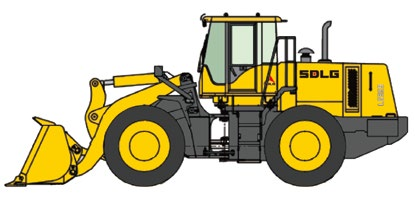 Wheel Loader
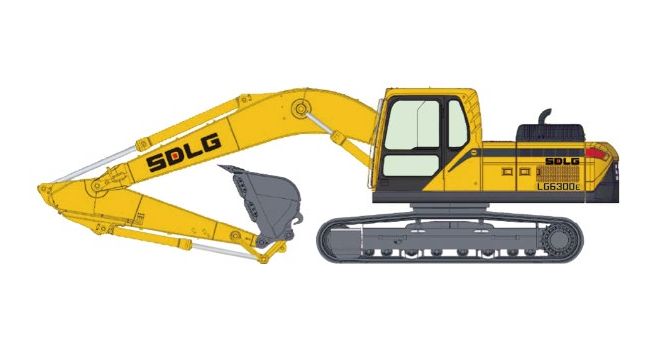 Excavator
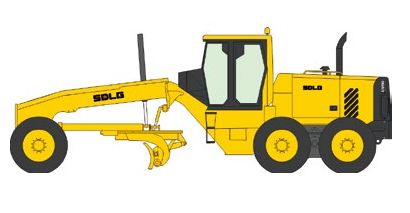 Motor Grader
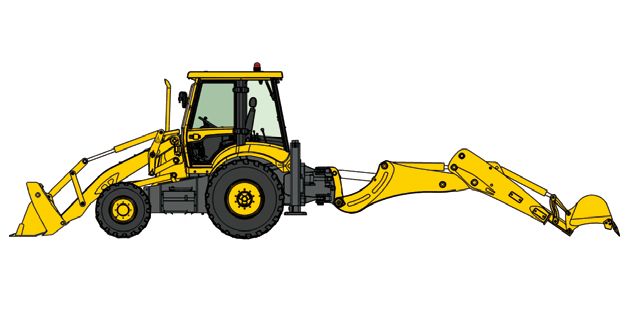 Backhoe Loader
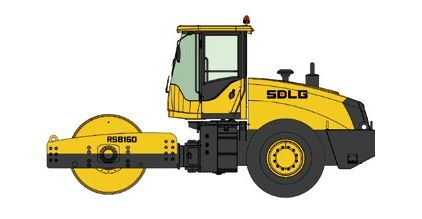 Road Roller
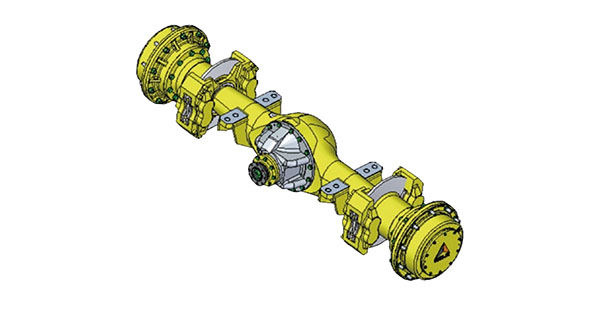 Spare Parts