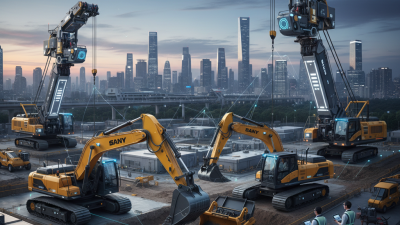
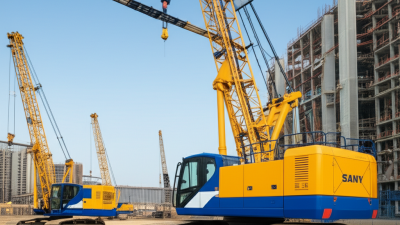
When it comes to heavy machinery, Sany Heavy Equipment really stands out as a leader in China. They've got over 15% of the market share, and honestly, they’ve been surpassing their competitors pretty consistently. According to the latest industry report from Global Heavy Equipment Insights, Sany’s revenue hit around 12 billion USD in 2022 — that’s a solid 25% jump from the year before. Pretty impressive, right?
Jack Wang, an industry expert, stresses that innovation is a big part of Sany’s secret sauce. He mentions, “Sany Heavy Equipment keeps pushing the envelope with new tech to meet what customers really want these days.” You can see that in how much they invest in R&D—about 5% of their yearly revenue goes into that. But of course, some analysts are wondering if Sany can keep up this rapid growth now that they’re facing more international competition.
Even with all these hurdles, Sany’s dedication to quality and customer service is clearly still going strong. They’ve built a pretty extensive support network, making sure clients get help when they need it — which is a huge deal in this industry. As the market changes globally, Sany’s got to stay sharp, trying to dodge external risks while chasing those big ambitions to stay at the top. It’s an exciting time for them, for sure.
Sany Heavy Equipment: An Overview of Its Industry Leadership
Sany Heavy Equipment has established itself as a major player in the construction industry. With a wide range of products, this company shapes the market. Its advanced engineering is noteworthy. The designs are functional and user-friendly. Many users appreciate the ease of operation, enhancing overall productivity.
Despite these strengths, challenges remain. Some customers have voiced concerns about service availability in remote areas. This can affect the user experience significantly. Moreover, as Sany Heavy Equipment Manufacturers expand, maintaining quality is crucial. It's essential to balance growth and product reliability.
Innovation drives this industry. Sany Heavy Equipment often embraces new technologies. However, it's vital to ensure these innovations meet real-world needs. Rushing to adopt trends can lead to oversights. Continuous feedback from users is necessary for future improvements. Engaging with the workforce can spark new ideas and enhance products.
Historical Context: The Rise of Sany Heavy Equipment in China
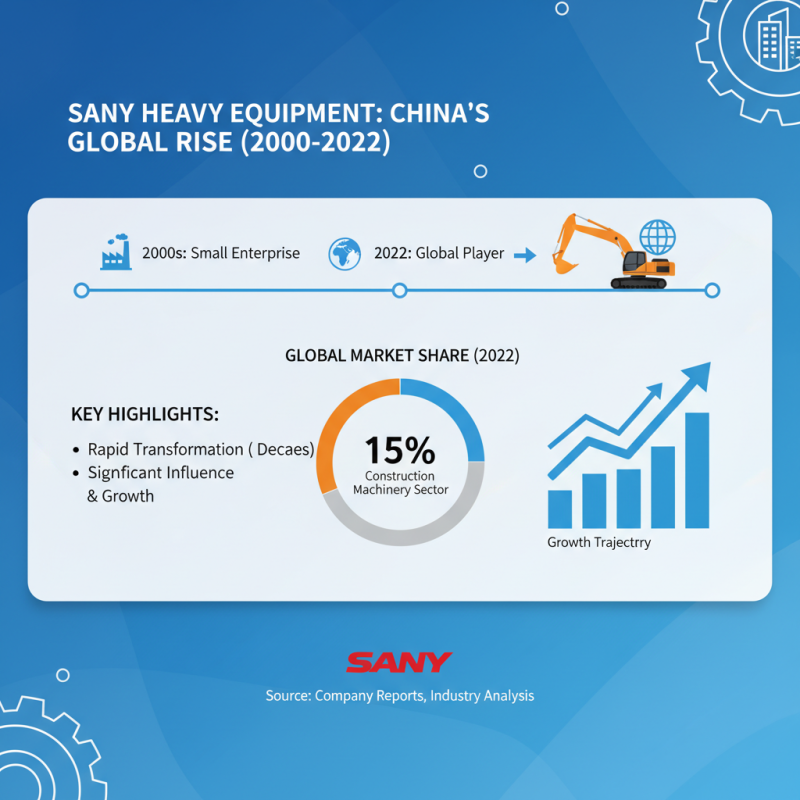
The rise of a leading heavy equipment manufacturer in China has been nothing short of remarkable. Over the past two decades, this company has transformed from a small enterprise into a global player. In 2022, it held a significant market share, reaching nearly 15% in the construction machinery sector. This achievement highlights its influence and growth trajectory.
Historical developments have shaped its journey. Initially, it focused on local markets. Gradually, it expanded internationally. By investing heavily in research and development, this Sany Heavy Equipment Manufacturer has introduced innovative products. These efforts led to improved efficiency and lower operational costs. Recent reports indicate that the incorporation of AI and automation in their equipment boosts productivity by around 30%.
Yet, challenges remain. The company faces stiff competition and fluctuating material prices. These factors can hinder its profitability and growth potential. Additionally, maintaining quality while scaling production is a constant struggle. Nonetheless, the company's resilience and commitment to innovation suggest a promising future.
Innovative Technologies Driving Sany's Competitive Edge
Innovative technologies play a crucial role in shaping the landscape of heavy equipment manufacturing. One company stands out in this regard, leveraging advanced methods to enhance productivity and efficiency. Their commitment to research and development has resulted in groundbreaking machinery that redefines industry standards. Smart sensors and IoT integration allow for real-time monitoring of equipment performance. This setup minimizes downtime and ensures seamless operations in demanding environments.
Moreover, the focus on automation has transformed traditional processes. Automated control systems streamline workflows, reducing the need for extensive manual input. However, there are challenges. Not all workers adapt smoothly to automation, creating gaps in training and knowledge. Continuous improvement in workforce skills is essential to maximize these technological advancements. It’s a delicate balance between innovation and human capability, requiring ongoing dialogue and adjustment.
Sustainability also plays a pivotal role in technological innovation. Efforts to create eco-friendly machines are gaining traction. This includes electric and hybrid models that reduce emissions. Yet, developing such technologies comes with hurdles. High initial costs and infrastructure limitations can hinder widespread adoption. Companies must navigate these challenges while pursuing greener solutions. Striving for advancement while addressing workforce and environmental concerns defines the future of the industry.
What Makes Sany Heavy Equipment a Leader in China Top Industry? - Innovative Technologies Driving Sany's Competitive Edge
| Technology Type |
Key Features |
Benefits |
Implementation Year |
| Telematics Systems |
Real-time monitoring and diagnostics |
Improved maintenance and reduced downtime |
2015 |
| Electric Hydraulic Technology |
Enhanced energy efficiency and performance |
Lower operational costs |
2018 |
| Automated Control Systems |
Precision control and user-friendly interfaces |
Increased productivity and safety |
2020 |
| Artificial Intelligence |
Predictive analytics for machine performance |
Proactive maintenance and operational efficiency |
2022 |
| 3D Printing Technology |
Rapid prototyping and customized parts |
Reduced lead times and costs |
2021 |
Strategic Partnerships and Collaborations in the Heavy Equipment Sector
Strategic partnerships play a vital role in the heavy equipment sector. They are essential for innovation and growth. Companies often collaborate to leverage each other's strengths. This approach can lead to enhanced technology and market reach. A strong partnership can drive a company to new heights.
In the ever-evolving industry, challenges arise. Some partnerships may not yield the expected results. Misalignments in goals can cause difficulties. However, when alliances work well, they promote efficiency and quality. Companies can share resources and expertise. This sharing can lead to the production of high-quality heavy equipment that meets market demands.
The competitive landscape is relentless. Firms must continuously evaluate their partnerships. They need to assess if the collaboration is beneficial. It's crucial to adapt as the market changes. Effective partnerships can lead to success, though not every alliance flourishes. Investing time in the right partnerships can be key to producing high-quality heavy equipment.
Market Expansion: Sany's Influence in Global Markets
In recent years, Sany Heavy Machinery has marked its presence across global markets. Their bold approach to market expansion has redefined the construction equipment landscape. By understanding local needs, they have effectively adapted their products. This keen insight propels their success beyond China.
One key strategy is localization. By adapting products to fit regional demands, Sany Heavy Machinery resonates with customers. Their ability to innovate based on specific market conditions is impressive. Local partnerships also play a vital role in this strategy. However, sometimes, rushed decisions in new markets can lead to setbacks. Learning from these experiences is crucial.
Tip: Always research local market dynamics before entering. Understanding these nuances can prevent costly mistakes. Additionally, maintaining flexible production lines can enhance adaptability. In an ever-changing global market, staying agile is important for long-term success. Sany Heavy Machinery exemplifies this with its proactive approach.
Sany's Commitment to Sustainability and Environmental Practices
Sustainability is increasingly vital in heavy equipment manufacturing. Many companies are integrating green practices. These steps contribute to reduced environmental impact, a priority for many in the industry. In fact, a recent report found that 85% of consumers prefer brands committed to sustainability.
In recent years, a shift has been observed towards eco-friendly machinery. This includes using alternative fuels and improving energy efficiency. Data from industry studies showed a 40% rise in demand for electric equipment. However, challenges remain. Some manufacturers still rely heavily on traditional fuel sources, impacting their sustainability goals. This misalignment raises concerns about commitment to environmental responsibilities.
Moreover, emissions from construction equipment account for a significant portion of air pollution. The sector must innovate. Hybrid technologies and biodegradable materials could lead the way. The path isn’t without obstacles. Cost implications and infrastructure adjustments can delay progress. Continuous improvement is necessary to achieve meaningful change in environmental practices.
Commitment to Sustainability in the Heavy Equipment Industry
Future Challenges and Opportunities for Sany Heavy Equipment
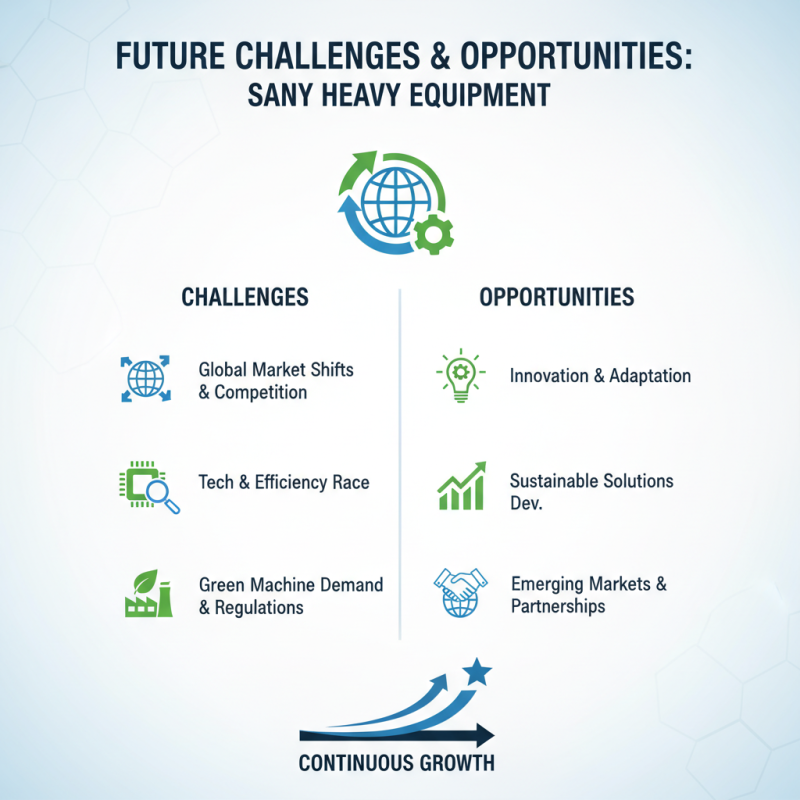
Sany Heavy Equipment faces several future challenges while pursuing growth in the construction sector. The global market is changing rapidly. Competitors are improving their technology and efficiency. Staying ahead requires continuous innovation and adaptation. The demand for greener machines adds pressure. Regulatory standards push companies to develop eco-friendly solutions.
Opportunities also arise from these challenges. The push for sustainable equipment creates room for growth. Investment in research and development can lead to breakthroughs. Emerging markets offer new prospects. Companies that can adapt quickly will thrive. However, the risk of stagnation looms. Innovation must be constant, not reactive.
Balancing quality and cost is essential. Expanding into new markets means adjusting strategies. Local partnerships can ease this transition. Understanding different consumer needs is crucial. Yet, overextending resources could be detrimental. Reflecting on strategies and adapting to changes is vital for long-term success.
Enhancing Equipment Longevity: The Critical Role of SDLG Gasket 3030900232 in Construction Machinery Maintenance
In the construction machinery sector, maintaining the longevity of equipment is paramount for ensuring consistent operational efficiency. The use of high-quality gaskets plays a vital role in this maintenance process. Specifically, the SDLG Gasket 3030900232 is engineered to provide reliable sealing performance critical for various machinery applications. These gaskets are designed to withstand extreme operational conditions and effectively prevent the leakage of fluids and gases, which can compromise the performance and reliability of mechanical systems.
Industry reports indicate that improper sealing can lead to significant downtime and increase operational costs. For example, a study from the Machinery Maintenance Association found that equipment failure due to sealants and gaskets accounted for approximately 30% of machinery repairs. By implementing reliable components like the SDLG Gasket 3030900232, machinery operators can enhance the integrity of their systems and reduce instances of failure, thereby prolonging the lifespan of their equipment.
Moreover, using gaskets made from high-quality materials not only ensures durability but also improves the overall efficiency of construction machinery. With advancements in material technology, modern gaskets can resist wear and provide superior sealing capabilities, making them indispensable in today’s competitive construction landscape. Gaskets such as the 3030900232 are essential in maintaining the functionality of construction equipment, reflecting the industry's ongoing commitment to innovation and reliability in machinery maintenance.
FAQS
: In 2022, the company attained nearly 15% market share in the construction machinery sector.
It began as a small enterprise, focusing primarily on local markets.
Heavy investment in R&D has led to innovative products, improving efficiency and lowering operational costs.
Some workers struggle to adapt to automation, creating training gaps. Continuous skill improvement is vital.
Maintaining quality while scaling production is an ongoing challenge for the company.
Smart sensors and IoT allow real-time monitoring, reducing downtime and ensuring smoother operations.
There is a push for electric and hybrid models to reduce emissions and environmental impact.
High initial costs and infrastructure limitations can obstruct the widespread adoption of green technologies.
Companies must balance innovation with workforce capabilities and ongoing training needs.
Stiff competition and fluctuating material prices can limit profitability and hinder future growth.
Conclusion
Sany Heavy Equipment has established itself as a leader in the Chinese heavy equipment industry through a combination of innovative technologies and strategic partnerships. The company's rise can be traced back to its commitment to quality and performance, which has allowed it to adapt and thrive in a competitive landscape. By leveraging advanced technologies, Sany Heavy Equipment has developed a distinctive competitive edge, enabling it to meet the evolving demands of various global markets.
Additionally, Sany Heavy Equipment has made significant strides in global market expansion, establishing a presence that influences industry standards worldwide. The company’s dedication to sustainability and environmentally sound practices further enhances its reputation. However, as it looks to the future, Sany Heavy Equipment faces challenges that require continuous innovation and adaptive strategies to seize emerging opportunities within the industry.
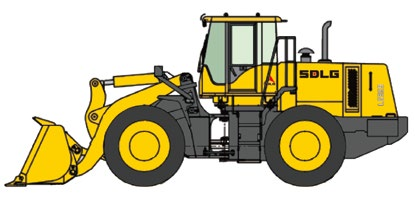 Wheel Loader
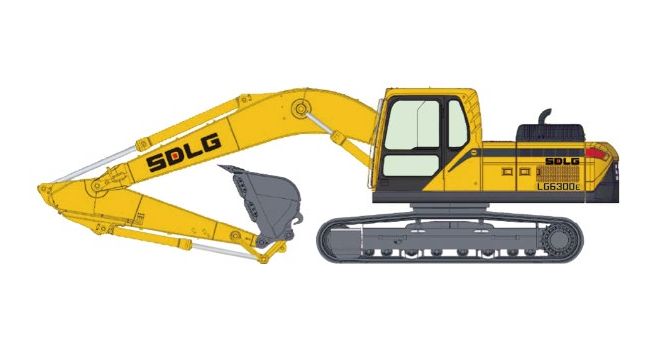 Excavator
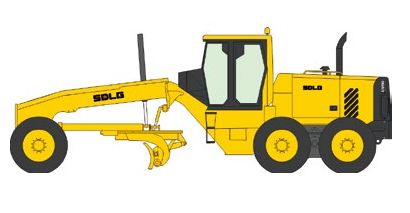 Motor Grader
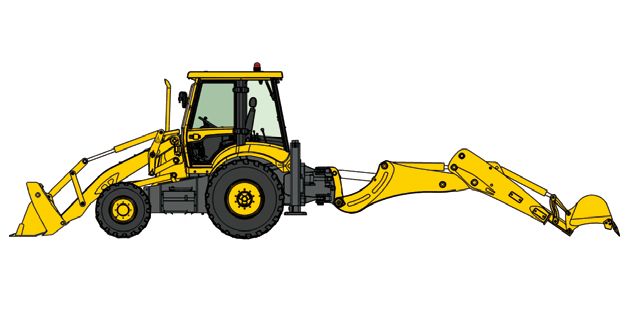 Backhoe Loader
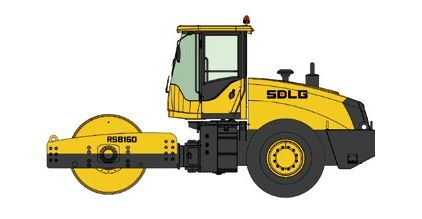 Road Roller
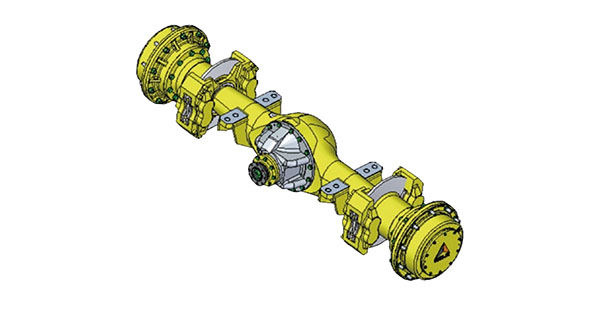 Spare Parts